
Paint Correction Services in San Diego, California
Home / Custom Wheels and Tires San Diego
Why Trust Our Car Paint Correction in San Diego, CA?
Most San Diego drivers think their paint looks fine. Then they see it in direct sunlight.
The swirls are everywhere. Fine circular scratches across every panel — put there by tunnel car wash brushes dragging fine grit across your clear coat every single pass. Under shade, the paint looks decent. Under San Diego’s 260-plus days of direct UV, the damage is obvious and it’s getting worse.
UV oxidation works from the top down. Hoods, roofs, and trunks take the hardest hit — clear coat breaking down into a chalky, faded layer that no wax job reverses. If you’re parking near the coast in Pacific Beach or La Jolla, salt air and ocean mist mineral deposits are etching into that already-weakened clear coat from the side. Studies show coastal San Diego vehicles accumulate 2 to 3 times more oxidation damage than inland vehicles in the same timeframe.
These aren’t cosmetic complaints. They’re resale value problems. And they compound every month you wait.
Paint correction is the only service that actually removes these defects — not fills them temporarily, not masks them with gloss. Removes them. That’s the difference.
Contact Us
Get A Quote From Our Paint Correction Experts in San Diego!
Client Experiences with Our
Professional Paint Correction Service in San Diego
EXCELLENT Based on 31 reviews
 Posted on Google
 Chris PelletierMitch does nothing but the best work, nobody else I trust to be on time, communicative, passionate about the work he does. Best in the business!Posted on Google
 Sylvia ShippsMitch at Diamond Detail ceramic coated my new vehicle (exterior, interior, and windshield) and did a fantastic job. The car looks incredibly shiny and the finish feels super smooth. Best part is how easy it is to keep clean now. Mitch clearly takes a lot of pride in his work and it shows. I’m really happy with how it turned out and would definitely recommend him.Posted on Google
 Kathy JessupI have a 9-year old red Honda HRV that sits in the hot sun all day long. I am always impressed how Mitch can make it look brand new. Really!!! I highly recommend him.Posted on Google
 Adam KaldorPosted on Google
 Scott DurallMitch was incredibly accommodating on short notice and came to my home to detail both of my wife’s cars prior to Valentines weekend. The cars had never been waxed and now look brand new inside and out!Posted on Google
 Erin OconnellThe service demonstrated a high level of professionalism, characterized by outstanding cleaning capabilities, particularly in the effective removal of pet hair. The commitment to quality was significant. I would highly recommend this service. Thank you, Mitch!!Posted on Google
 Amanda DeVriesResponded within the hour of setting up the appointment. Arrived early and was really happy with the work. Will definitely use again and recommend.Posted on Google
 6573PrimeroMitch is great! He has a good attitude, is always on time, helpful, and goes above and beyond with our needs. When there is a change, he does all he can to accommodate without conflicting with his other clients. It's always a pleasant experience and the cars look great!Posted on Google
 matthew warnerPosted on Google
 Akmal AntounShowed up on time and did a great job
What Makes Our Auto Paint Correction in San Diego Efficient and Reliable?
Paint correction done wrong creates permanent damage. Remove too much clear coat and there’s no putting it back.
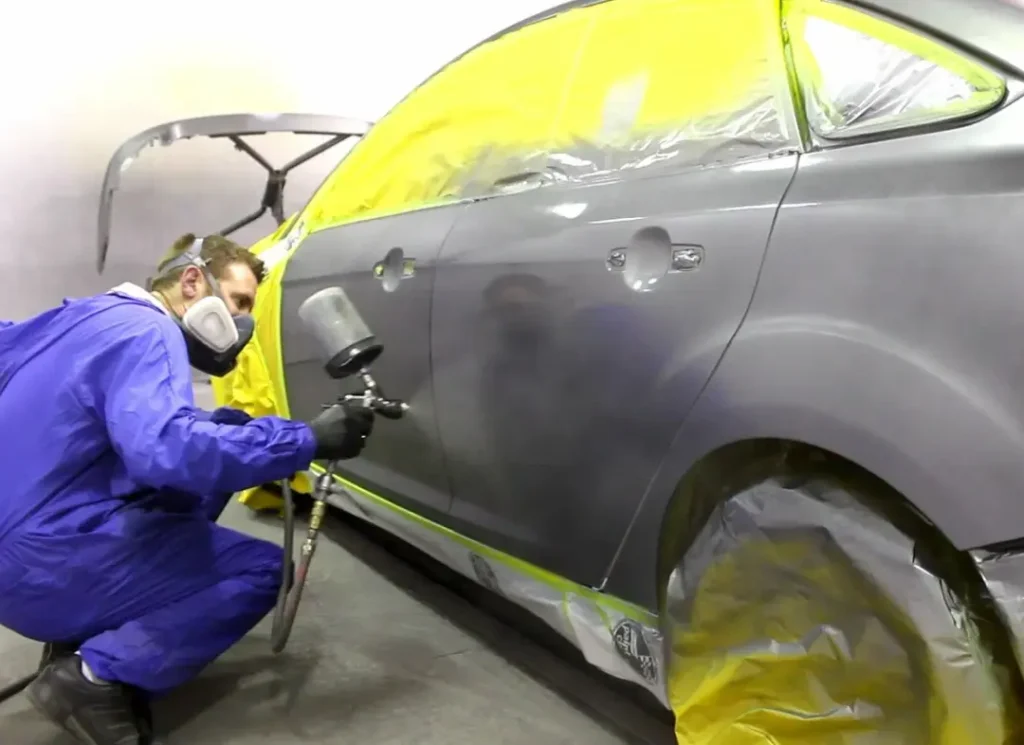
That’s why every job at Mitch’s Diamond Detail starts with a paint depth gauge assessment before a single pad touches your vehicle. We measure how much clear coat you have left, identify where the damage is concentrated, and determine which correction stage is appropriate — one stage for light swirls and surface haze, two stages for moderate scratches and oxidation, three stages for heavily affected paint. You get what your paint actually needs. Not the most expensive package by default.
Before any machine work begins, we run a full deionized wash and clay bar decontamination. Bonded contaminants — brake dust, marine layer salt deposits, mineral fallout from San Diego’s hard water — have to come off the surface first. Polishing over embedded contamination grinds it deeper in.
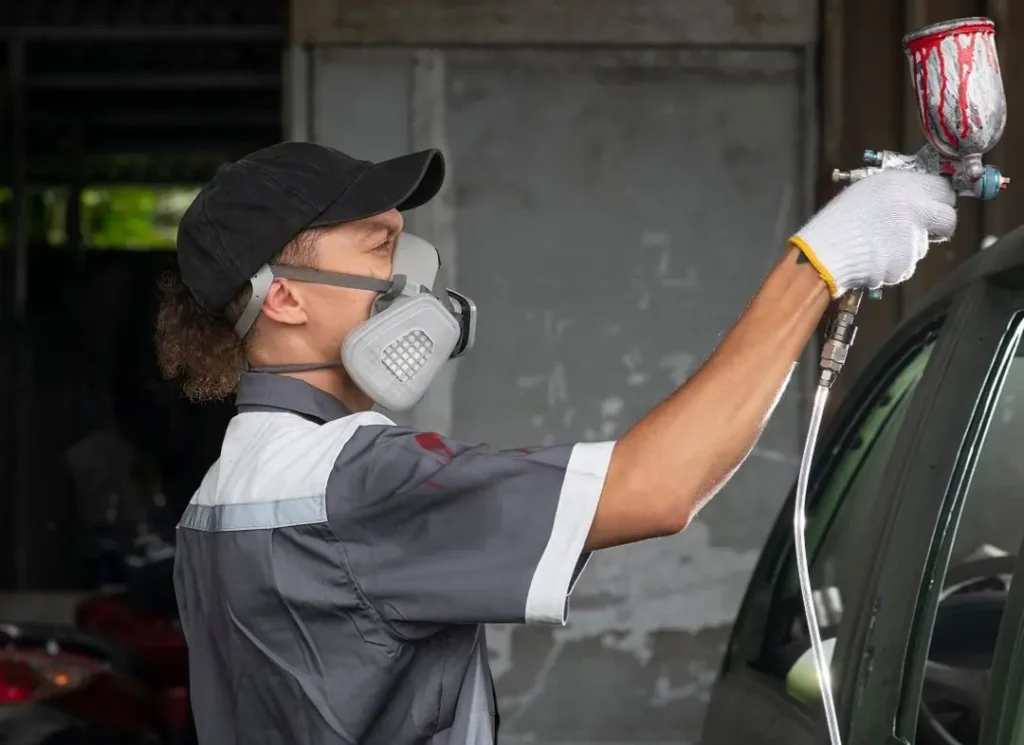
Machine correction uses dual-action and rotary polishers with professional compounds matched to your paint hardness and defect level. A finishing polish follows every correction stage to maximize depth and clarity.
After correction, your paint is properly prepped for ceramic coating or sealant — sealed right, not just shiny.
Precision Paint Matching
Full Paint Jobs
Exotic & Luxury Auto Body
Lift Kits & Suspension Mods
Custom Parts & Styling Mods
Custom Wheels & Tires
How does our vehicle paint correction process support long-term value in San Diego?
Corrected paint holds up differently than paint that’s never been treated.
When swirl marks and micro-scratches are removed, the clear coat surface becomes uniform again — light reflects cleanly, depth returns, and the paint is no longer scattering UV into the micro-cracks that accelerate oxidation. In San Diego’s UV index 8 to 11 environment, that matters more than in almost any other market in the country.
Corrected paint also bonds better. Ceramic coating applied over corrected clear coat adheres to a uniform surface and performs as designed. Applied over swirls and oxidation, it seals the damage in permanently and the coating underperforms from day one.
For resale, the difference is immediate. Buyers in San Diego notice swirl marks in photos and at first inspection. Corrected paint presents significantly better and often returns more than its cost in negotiation leverage.
Correction now. Coating after. Protection that holds up to what San Diego actually delivers year-round.
Case Studies
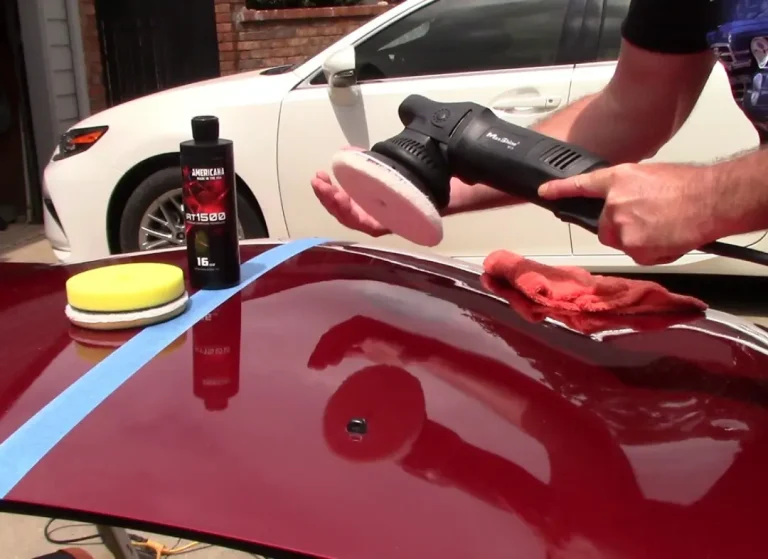
A La Jolla resident brought in a white SUV with heavy UV oxidation across the hood and roof — two years of coastal parking without protection. The paint had gone chalky and flat with salt air mineral etching across the upper panels. We ran a three-stage correction to remove the oxidation fully, followed by a finishing polish. The paint came back to deep gloss and was then prepped for ceramic coating.
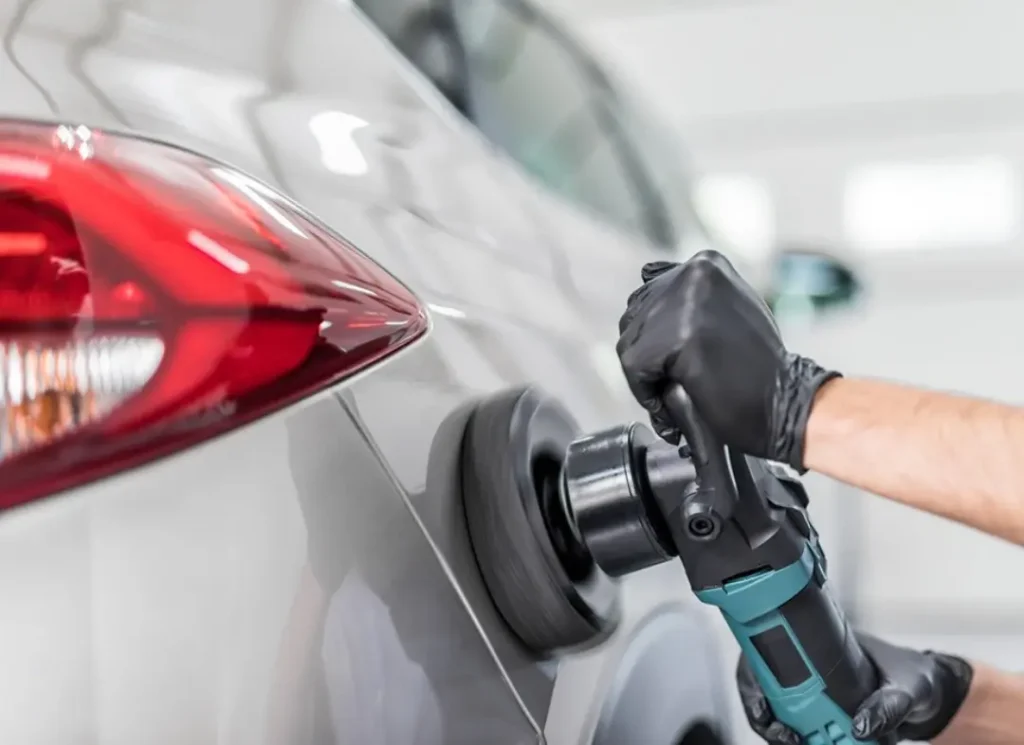
A North Park commuter driving the I-805 daily came in with a black sedan covered in tunnel car wash swirl marks — visible across every panel in sunlight. Two years of weekly automated washes had compounded into full-surface swirl damage. We performed a two-stage correction targeting the swirl marks and light scratches, followed by a finishing polish. The paint clarity came back completely in one appointment.
FAQs About Our paint correction Work in San Diego
Can paint correction actually fix swirl marks and UV oxidation, or is the damage too far gone?
Most swirl marks and UV oxidation are in the clear coat — fully correctable with machine polishing. Paint correction can’t fix damage that has gone through the clear coat into the base coat. We assess every vehicle with a paint depth gauge before quoting correction level.
How many stages of paint correction do I need — and how do I know which level is right for my paint?
We determine that with a paint depth gauge and visual inspection before any work begins. Light swirls need one stage. Moderate scratches and oxidation need two. Heavy defects or coastal salt damage need three. We tell you exactly what’s there and why.
Should I get paint correction before ceramic coating, and does Mitch's offer both together?
Yes and yes. Ceramic coating applied over uncorrected paint locks defects in permanently. Correction first ensures the coating bonds to a uniform surface and performs as designed. We offer both services together and sequence them correctly in one appointment.
My car parks outside near Pacific Beach year-round. How often does it need paint correction?
Coastal vehicles accumulate oxidation and salt etching faster than inland ones. Without ceramic coating protection, an annual gloss enhancement or correction keeps the paint from deteriorating past the correctable point. With ceramic coating applied after correction, the interval extends significantly — typically two to three years.
Do dark-colored cars in San Diego need paint correction more frequently than lighter colors?
Yes. Black, dark gray, and navy vehicles show swirl marks far more visibly under San Diego’s direct sun — not because they scratch more, but because light scatters differently against dark paint. Dark car owners benefit from more frequent correction intervals and careful hand washing between appointments.